What if you could make a genuine difference to someone’s life in the time it takes to have a cup of tea?
That is the idea behind micro volunteering: flexible, accessible, often short bursts of help that add up to something meaningful. No long-term commitment, no rigid schedule, and in many cases, no need to even leave home. Just a small action that makes a real impact.
During Volunteers’ Week, we want to shine a light on this often overlooked way of getting involved, because for many people, it could be exactly the entry point they have been waiting for.
How Diabetes UK is making volunteering more accessible
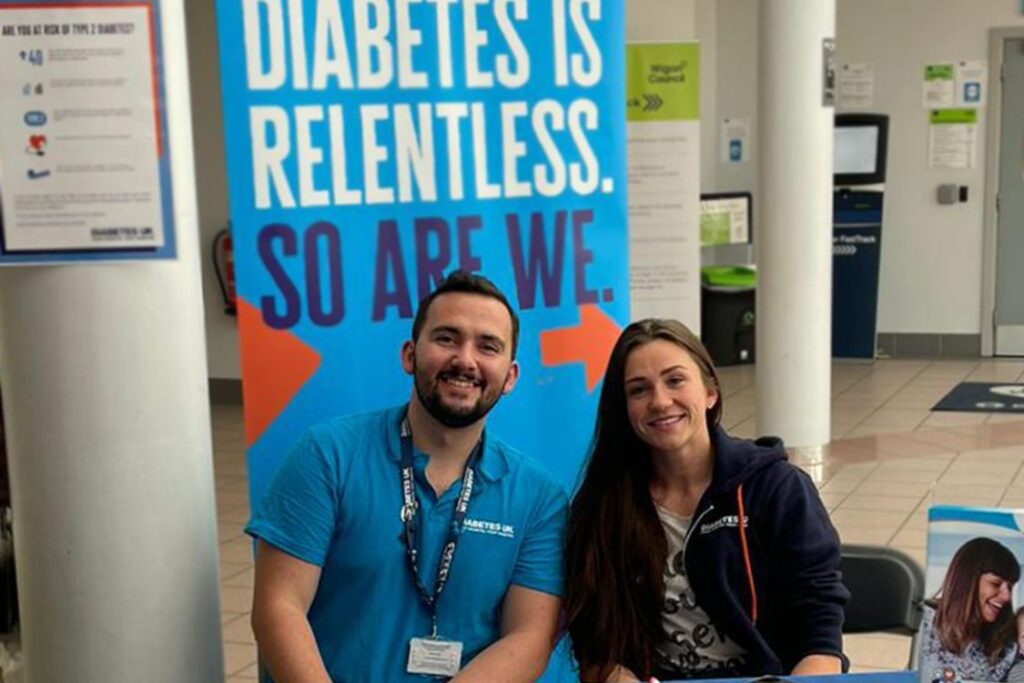
One of the strongest examples of micro volunteering in action is the Impact Volunteer programme at Diabetes UK, designed to remove barriers that stop people getting involved.
The role is built around a simple idea. Many people want to support an important cause, but their lives are busy, unpredictable or shaped by work, caring responsibilities or health. Instead of expecting volunteers to fit around a fixed role, Diabetes UK has created one that fits around the volunteer.
Impact Volunteers take on small, flexible tasks each week, often taking just a few minutes and are usually completed from home. This makes the role accessible to people who might otherwise feel unable to volunteer. Each action might seem small, but together they create significant reach and awareness.
What do Impact Volunteers do?
Tasks vary, but might include:
- Sharing awareness campaigns on social media
- Attending short online sessions
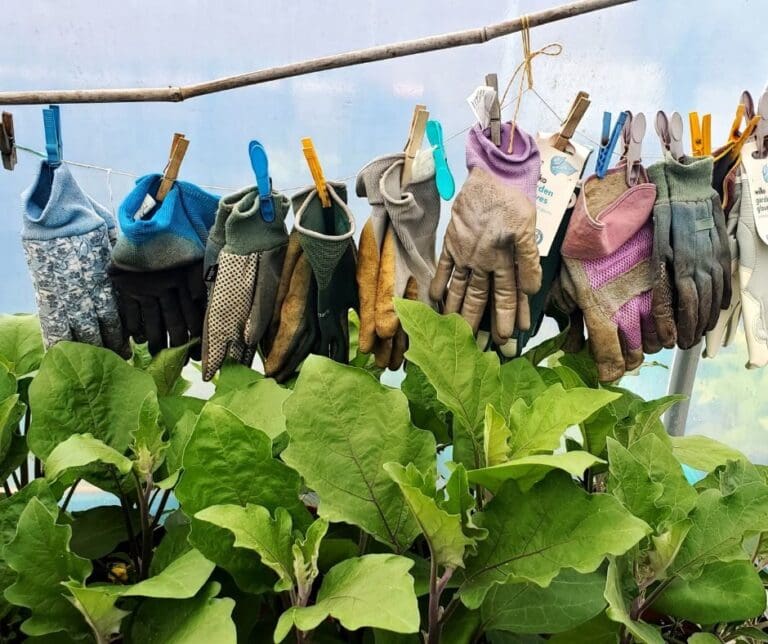
- Displaying posters in community spaces
- Amplifying content to reach new audiences
- Providing feedback on campaigns
“Every shared post reaches a new audience. Every poster in a waiting room catches someone’s eye.”
Why it works
This model works because it respects people’s time. Volunteers can get involved in a way that suits their lives, without the pressure of long-term commitments.
It also helps people stay connected to the cause, showing clearly how small actions contribute to something bigger.
“Small actions. Real impact. That’s the power of micro volunteering.”
Find out more about Diabetes UK Impact Volunteering here.
ESOL – Making a difference closer to home
Micro volunteering is also making a real impact locally through a partnership between TyneCoast College and the North Tyneside Employment and Skills Service.
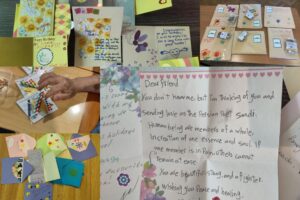
Learners studying English for Speakers of Other Languages (ESOL) have taken part in short, flexible volunteering activities while balancing study, work and family life. For many, it was their first experience of volunteering.
What did they do?
They have:
- Written cards for people undergoing cancer treatment through From Me To You
- Designed quizzes to support Warm Welcome spaces
- Created craft packs for children in the community
“Even small acts of kindness can have a meaningful and lasting impact.”
Why it matters
These activities also helped learners build confidence, practise English and feel more connected to their community.
“They found simple ways to give back while building confidence.”